Why I’m Done Explaining My Joy
Think about the last time someone criticized your favorite thing. You drink too much coffee, eat too many carbs, spend too much time on a hobby, or even talk to yourself. Do you feel judged and defensive? Maybe you have a moment of doubt about the thing that brings you joy. These people annoy me. What about you?
I call these people BOBs. It was a code word my team used in my corporate days for a very difficult person. Back off, b*h or ba**d. Fill in the blanks for yourself. Now I use it for anyone who offers unsolicited advice on my life choices.
Here’s what I’ve learned after years of BOB encounters: most of the habits we get criticized for aren’t always bad; they might be okay in moderation. I like to have research and scientific evidence to support my claims.
This is your permission slip to enjoy what works for you, without apology. Let’s defend our “bad” habits.
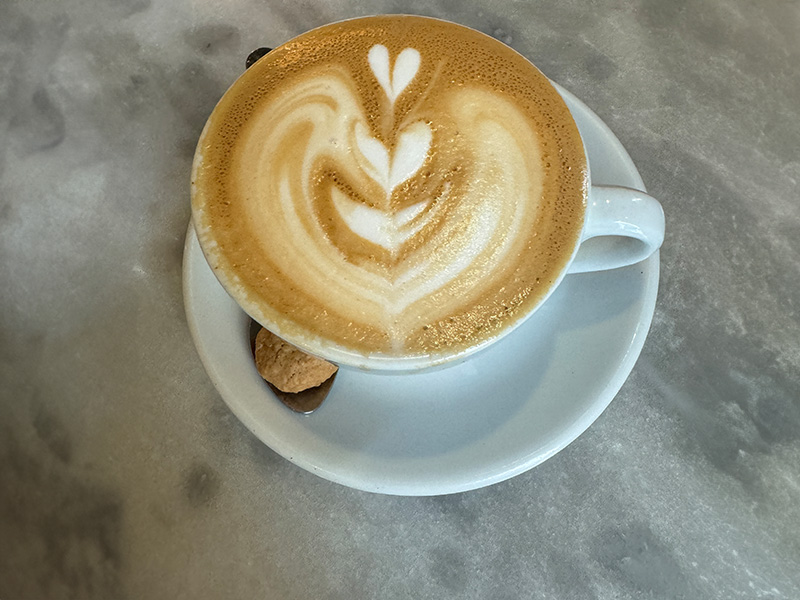
Coffee: The Morning Hug in a Mug
Over 100 studies link coffee to lower risks of heart disease, dementia, type 2 diabetes, and liver cancer. Drinking 2–3 cups a day could boost health span by up to two years. It’s packed with antioxidants and makes mornings survivable.
My prolific protein-packed coffee, aka “Profee,” is self-care in an insulated mug. Do not side-eye my thermos unless you want to see my caffeine fiend come out.
Potatoes: The Carbs You Can Count On
Boiled potatoes score 323% on the satiety index, keeping you fuller longer than most foods. They’re loaded with vitamin C, potassium, fiber, and resistant starch (especially when cooled and reheated). Roasted potatoes beat sad lettuce every time.
Talking to Yourself: High-Functioning Behavior
Self-talk improves focus, memory, and emotional regulation, especially in the third person (“Sarah, you’ve got this”). Brain scans show it activates decision-making centers and lowers stress responses. I narrate my grocery shopping and give myself pep talks. It’s self-awareness, not a sign of being unhinged.
Fidgeting: Micro-Movement That Adds Up
Bouncing your leg, clicking a pen, tapping your foot, it’s NEAT (non-exercise activity thermogenesis). Fidgeting can burn up to 800 extra calories daily, improve circulation, and offset sedentary time. It’s not restlessness, it’s my body’s way of reminding me I’m alive.
Napping: Strategic Horizontal Meditation
Short naps (10–30 minutes) improve memory, reduce cortisol, and support brain volume maintenance. Regular nappers show stronger cognitive function as we age. If someone has an issue with my nap, that’s their problem.
Morning Sunlight: Not Just a Wrinkle Risk
Ten to fifteen minutes of morning sun (before 10 AM) does more than wake you up—it’s your body’s master reset button. This gentle light regulates circadian rhythms, signaling your brain to produce serotonin and suppress melatonin until bedtime. Studies show morning light exposure increases vitamin D production, improves cognitive function throughout the day, and can reduce symptoms of seasonal depression by up to 80%.
Technology: The Tool, Not the Enemy
Used right, tech supports cognitive health. Mindfulness apps can reduce anxiety by up to 20%, and creative projects like blogging or photography can boost problem-solving. The problem isn’t tech, it’s mindless scrolling versus purposeful use.
Eat Your Sugar, Don’t Drink It
A meta-analysis of 29 studies and over 800,000 people found that sugar-sweetened drinks like soda and fruit juice raise the risk of type 2 diabetes by up to 25% per daily soda. Sugar in whole foods like fruit or fiber-rich treats doesn’t carry the same risk. When sugar comes with fiber, protein, or fat, it digests more slowly and is less likely to cause a spike in blood sugar. Skip the soda. Bake the oatmeal cookie.
Chocolate: The Sweet Spot for Brain and Mood
I’m just advising my friends, you really need to protect yourself if you begin criticizing my coffee or my chocolate. Dark chocolate (70% cocoa and above) contains flavonoids that boost blood flow to the brain, improve memory, and reduce inflammation. It also stimulates serotonin and dopamine—your brain’s feel-good chemicals. Chocolate makes you feel happy and helps you deal with the BOB in front of you.
The Bottom Line
Most “bad habits” aren’t bad, they’re human, enjoyable, and often necessary. In the right dose, they’re beneficial. The real problem isn’t your nap or your potato obsession; it’s our culture that guilts us for small pleasures.
Next time a BOB comes for your choices, remember: You’re not aging by accident. You’re living on purpose.
What habit do you refuse to feel guilty about? Share it, I’d love to add it to the list.