
Never Lose Your Sense of Wonder
I’m writing this from a cabin on a small ship, grounded in Antarctica—nine days and counting. We’re waiting on the weather to lift so we can fly back to Chile. This isn’t a travel story. It’s what happens when a place refuses to perform on schedule.
I came with a list. Set foot on Antarctica. Study the early explorers: photograph glaciers, penguins, and seals. Check off my sixth continent. I did all of that.
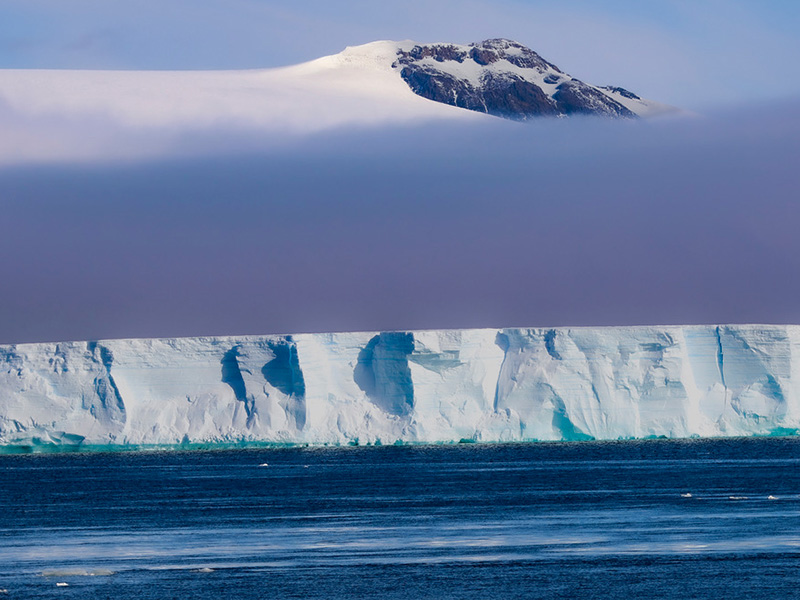
We’re on a small icebreaker that can reach places large cruise ships can’t, and even then, nothing is guaranteed. There are no printed itineraries. The captain reads the water, ice, and wind and decides. One day, he turned away from thirty other ships clustered around an island chain and took us the other direction. For two days, we moved through water that most people, including the crew, had rarely seen. The ice opened at Wellington Bay, offering something rare. We pushed as far toward the ice shelf as the ship could go, then stopped. The engines idled. Blue light was trapped inside the ice. It was the quiet you feel in your chest before you hear it.
For days, I have watched blue light pool inside the ice while the ship waits on the weather. Whales pass the bow. Penguins and seals work the shoreline. Nothing is staged. The place continues its business.
We are trained to collect moments. Take the shot and move on. Antarctica refuses that rhythm. Stay with one thing. The light inside a ridge of ice. The way water closes behind a whale. Scale humbles you. Details keep you.
What keeps pressing on me is simpler: beauty is patient. It shows up at the feeder, on the dog’s walk, in a garden coming back after winter. In places I move through every day and barely notice.
The problem is pace. We’re usually in a hurry to be somewhere else. We skim through our own lives. The cost shows up quietly. On days when we stretch too thin, familiar places turn into backdrops, and we forget to notice what matters.
Antarctica didn’t fix that. Places don’t fix us. But it did make the pattern harder to ignore. When the ship waited, I waited. When the weather refused us, I had to sit with what was still there. What was still there turned out to be enough, if I stayed long enough to see it.
“I hope you still feel small when you stand beside the ocean.” — Lee Ann Womack.
When I get home, there will be no glaciers outside my window. I’ll have birds at the feeder—the dog’s walk. A garden coming back after winter. Ordinary things, doing their ordinary work. I know how easy it is to move past them.