Are you Forgetting How to Do Things?
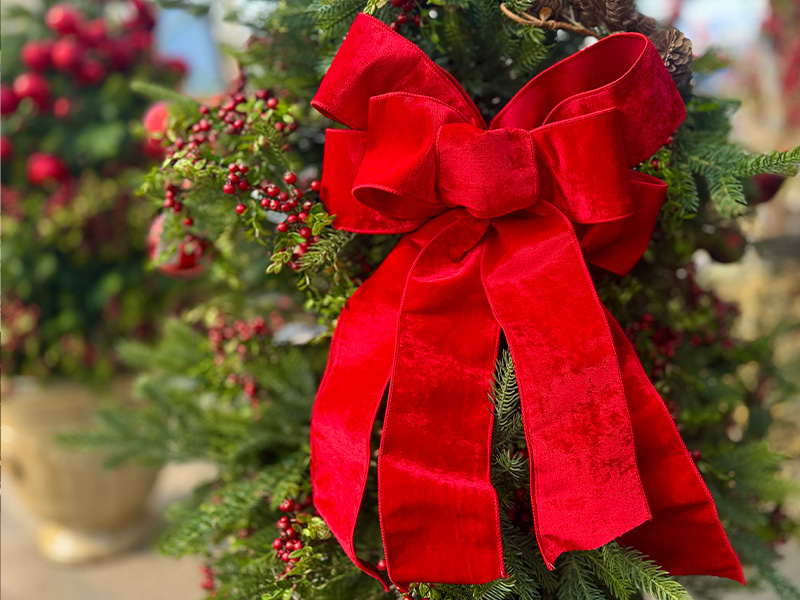
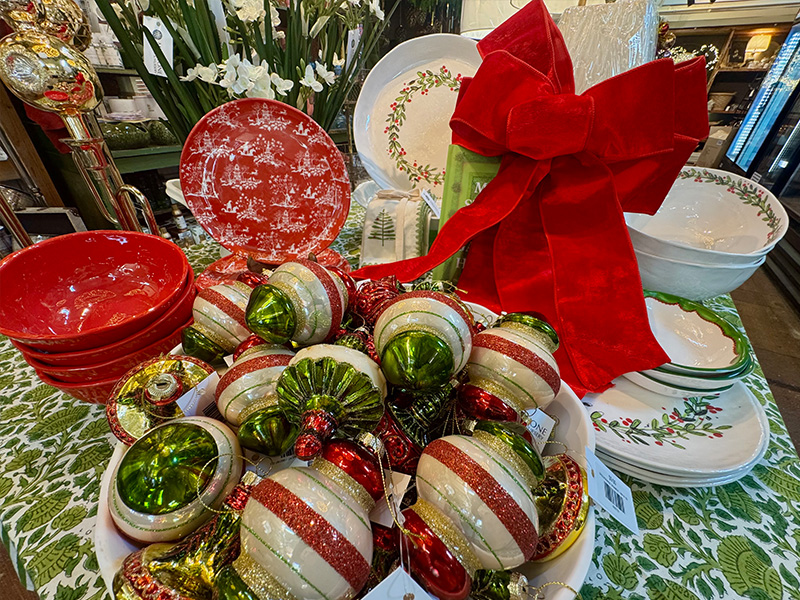
For most of you, the holiday season is weeks away. In retail, the trees are up and the tinsel is everywhere. This week, I started making Christmas bows for work—never mind that it was 95 degrees outside while I wrestled with red velvet ribbon. I expected my fingers to snap right back into rhythm. Loop, twist, scrunch, fluff. Easy. Except it wasn’t. My hands froze. I couldn’t remember how to start the bow I’d make hundreds of. The first bow was not sellable, the second, a little better, and by the fourth, the rhythm was back. Have you ever just forgotten to do something you’ve done for years?
Why Do We Forget Skills We Once Knew?
I’m not going to lie, it bothered me. How many things do we once know by heart, only to find them strangely out of reach? It isn’t that they’re gone. Scientists call it motor skill decay—neural pathways get rusty with disuse.
Everyday Skills That Suddenly Feel Hard
For me, it was bows. For you, maybe it’s whistling or snapping your fingers. Once sharp, now it’s a squeak of air or a limp click. (Have you tried either recently?) Or maybe it’s parallel parking. What used to be one smooth swing of the wheel is now five nervous corrections while the driver behind you lays on the horn. And who hasn’t stood in the kitchen, pickle jar in hand, realizing you can’t open it. This simple twist now requires full upper-body strength and the humility to ask for help. And my all-time favorite, a recipe I’ve made for years, I now have to double-check before starting to make it.
The Science of Muscle Memory
These slip-ups feel small, but they carry weight. They whisper, you’re getting older. And that sting is real. But here’s the good news: it’s not declining. It’s disuse. What we call “muscle memory” doesn’t live in our muscles at all—it lives in the brain. The motor cortex and cerebellum build those shortcuts through repetition. Stop practicing, and the paths get overgrown. Start again, and they clear more quickly than you’d expect.
That’s why the fourth bow looked fine. The first three weren’t failures; they were warm-up laps. My brain was retracing the path until my hands caught up.
So, what do we do with this? First, stop panicking. Forgetting how to fold a sheet or back into a parking spot doesn’t mean we’re slipping. It means we need a refresher. Second, practice in small doses. Do the thing once in a while, even for a minute. Every rep clears the trail. And finally, keep your humor.
The Takeaway: Aging Is About Rediscovery
The joy isn’t just in mastery—it’s in rediscovery. That spark when your fingers or feet suddenly remember is proof that aging isn’t all about loss. Sometimes it’s about relearning, adapting, and finding joy in the warm-up laps.
So, the next time you’re fumbling with a clasp or wrestling a pickle jar, take heart: your skills aren’t gone. They’re there, waiting for you to reengage them. And if all else fails, learn something new.
Now, let me get back to my bow making. Our open house is on September 27, and customers will want big red velvet holiday bows.
What’s one thing you’ve “forgotten” how to do that freaked you out? I’d love to hear your story.