
Which Stones Are You Still Carrying?
Ever picked up a stone on a walk, for no reason other than it felt like it belonged in your hand? Stones are everywhere—so common we forget how much they’ve shaped our lives. But like the memories and burdens we carry, some steady us and some weigh us down. The trick is knowing which to keep.
The Paradox of Stone
The Christian faith tells us, “Upon this rock I will build my church.” Stones are foundations—solid, enduring, immovable. They hold up cathedrals, span rivers, and outlast centuries. But they aren’t always gentle. Ancient armies hurled them as weapons. Even today, people throw them from overpasses in acts of senseless violence. The same thing that builds can also destroy.
And yet, something about stones keeps pulling us in. They make us bend down on a beach walk and slip one into our pocket. They ask to be remembered.
When Stones Call Back
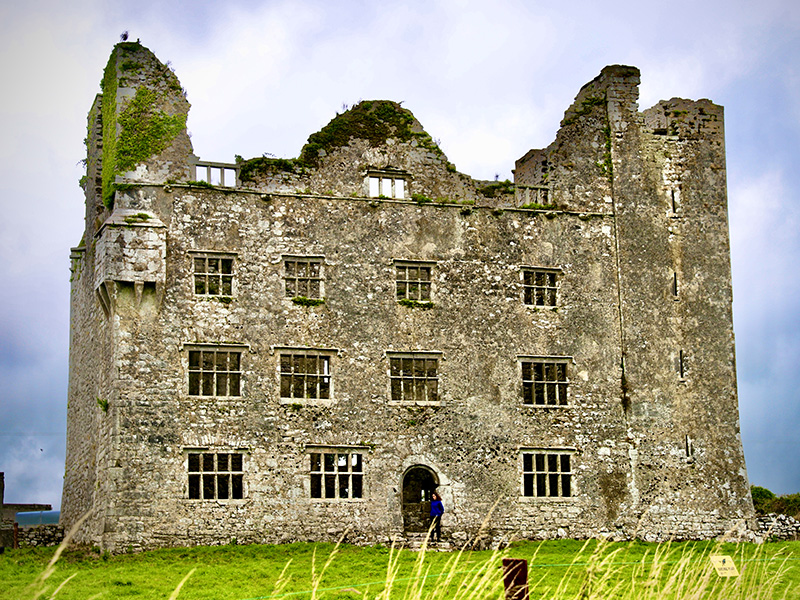
I remember Ireland, when my friend pointed across a field to ruins and said, “Legend has it that a crazy woman once lived there.”
The Confessions of a Crazy Woman—my book title—was calling to me from a broken-down castle of stone. The no-trespassing signs, the electric fence—none of that mattered. Sometimes the call to see something is stronger than common sense.
Inside the walls, only the stones remained. The wood, the fabric of lives once lived—gone. I wasn’t alone. A young couple on an engagement trip was taking selfies against the ruins. I offered to take their photo, then pressed a pebble from the foundation into their hands and said, “Remember today.”
Walking away, I thought of all the things that pass. Stones endure.
Stones as Memory Keepers
Have you ever brought home a stone from a trip? My junk drawer holds a collection—some I remember exactly, others mysterious even to me—the smooth black one from the Irish coast. The rock from a mountain trail I can’t name. The heart-shaped pebble I couldn’t leave behind.
That’s the thing about stones: they remind us of moments, even when the details fade. In Jewish tradition, visitors leave small stones on graves as a sign of remembrance and respect. Unlike flowers, which wither, stones endure. Each one says: I was here. You are not forgotten.
Sometimes I don’t bring them home. Sometimes I just pause at a weathered coastal rock or a river-smoothed boulder, thinking of all the generations who saw the same shape, touched the same stone. I’ve stood in abandoned graveyards where the only memory left is a rock that says: I was here. There’s comfort in that continuity, a reminder that our small lives are part of something larger, older, enduring.
Hikers stack rocks to guide the next traveler. Ancient peoples raised stone monuments to mark victories, promises, and covenants. Statues carved from stone honor leaders, tell stories, and embody ideals that outlast generations.
Did you know that ship ballast stones were recycled into roads and buildings?
When ships crossed oceans, they carried heavy stones as ballast to stabilize the vessel when the cargo was light. Once they reached new ports and delivered their cargo, the stones were discarded. Instead of being wasted, they were reused—laid as cobblestones in New York City’s Pearl Street, Charleston’s historic lanes, and Savannah’s riverfront walk. These stones, once carried across oceans, became the very foundations of new communities. Stones stand when everything else fades.
The Stones in Your Life
Think about your own moments with stones. The ones you’ve pocketed on impulse. The weight of what you carry.
Which stones steady you?
Which ones are weighing you down?
And which ones are finally time to set aside?
What Matters Most
Maybe the stones we keep aren’t about the rocks at all. They’re about what they remind us: that we’ve endured pressure and time and still remained whole. That we’ve witnessed beauty worth remembering. That memory matters. That some things last.
Keep the stones that steady you. Release the ones that weigh you down. And trust that both choices matter.